

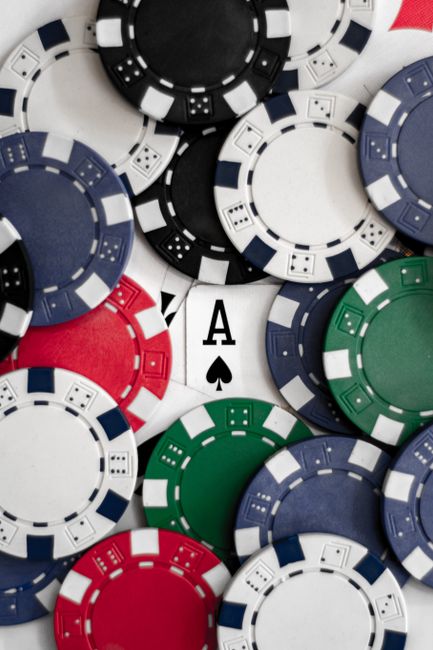
The Real Difference Between Luck and Skill in iGaming
Ask ten people why they gamble online and you'll get ten different answers. Some chase the adrenaline of a clutch river card. Others just want to spin a slot while the coffee brews. But beneath all of it sits one question that separates the casual player from the obsessed: how much of this is actually under your control? The answer depends entirely on which game you're playing — and understanding that distinction is the single most useful thing any iGaming enthusiast can learn.
The Luck-Skill Spectrum Is Wider Than You Think
iGaming isn't one thing. It's a spectrum, and every game sits somewhere between pure chance and pure calculation. On the far luck end you've got crash games and most instant-win mechanics. On the far skill end you've got heads-up poker and certain blackjack variants played with perfect basic strategy. Everything else lands somewhere in between.
Here's a rough way to think about it:
- Almost pure luck: Classic slots, keno, roulette, online lottery
- Mostly luck with small skill edges: Video poker, blackjack with basic strategy, baccarat
- Meaningful skill component: Sports betting with line-shopping, daily fantasy, poker cash games
- Skill-dominant: High-stakes poker tournaments, live betting with arbitrage, advantage play
The mistake beginners make is treating every game as if it were a puzzle to solve. Spending three hours analyzing a slot machine's RTP is not the same as studying your opponent's bet-sizing tells in a poker tournament. One rewards study. The other just rewards patience — or sends you broke faster.
What Actually Determines Your Long-Term Outcome
Every casino game has a house edge. That's the mathematical reality. A typical online slot sits around 2% to 6% depending on the RTP. European roulette is about 2.7%. Blackjack with perfect basic strategy and favorable rules can dip below 0.5%. Poker is different because you're not playing against the house — you're playing against other people, and the rake is your only guaranteed cost.
So when someone tells me they have a "system" for slots, I know they haven't done the math. Over 10,000 spins, no betting pattern changes the expected loss. But over the same 10,000 hands of poker, a player who studies ranges, position, and pot odds can genuinely be profitable. That's not opinion — it's the entire premise of the professional poker economy.
Concrete numbers worth remembering
A player betting $10 per hand, six hands per hour, on a 3% edge slot is losing about $18/hour on average — regardless of how they structure their bets. The same $10 at a cash poker table with a 5% rake capped at $5 might cost them the same if they're average. But a winning player at that table is earning, not losing. The slot never has a winning player. The poker table always does.
Why Slots Still Make Sense (And When They Don't)
None of this means slots are a scam or that everyone playing them is foolish. Slots are entertainment, and entertainment has a price. A movie ticket costs $15 and delivers roughly two hours of engagement. A slot session at $50 total spend that keeps you engaged for two hours is a comparable deal — as long as you went in understanding the money is gone the moment you press spin.
The problem starts when players hunt jackpots with rent money, or believe a machine is "due" after a dry spell. That's the gambler's fallacy, and it's the most expensive belief in the entire industry. Random number generators don't have memory. A slot that paid out $20,000 five minutes ago has exactly the same probability of hitting again as it did before — if anything, its RTP is typically fixed across millions of spins, not session to session.
A workable approach to slot play
- Decide your session bankroll before you log in. Treat it as spent.
- Pick slots with published RTP above 96% — many providers disclose this.* Volatility matters too: high-volatility slots pay rarely but big, low-volatility ones pay often but small.
- Set a hard stop-loss and a hard stop-win. Then honor them.
- Avoid "chasing" — increasing bets after losses to win it back. That is the fastest route to a zero balance.
That fourth point is where most players bleed out. Chasing is an emotional response, not a strategic one, and it's the same instinct that makes amateur poker players tilt. More background can be found at v88.ru.com.
The Poker Player's Edge Is Boring
If you want a real skill game, poker is where the money lives. But the edge doesn't come from hero calls or sick bluffs. It comes from thousands of unglamorous decisions: folding the second-best hand, choosing the right pre-flop range for your position, and understanding that a small consistent edge compounds massively over time.
New players should focus on three things before anything else:
- Position. Acting last gives you more information than any card in the deck.
- Pot odds. If the call costs you $10 to win a $40 pot, you need to win 20% of the time to break even. Know that number before you click.
- Bankroll management. Never buy into a cash game for more than 5% of your dedicated poker bankroll. Tournament buy-ins should be 2% or less.
Anyone who follows those three rules will lose less than the average recreational player within a month. That's a genuine edge — and it's something no slot machine can ever offer.
The Sports Betting Middle Ground
Sports betting sits in an interesting spot. Outcomes are largely outside your control, but prices are not. Two books might offer the same NFL game at -3 and -3.5 with different juice. A player who line-shops consistently gains a small percentage that compounds over a season. That's skill, but it's a thin skill — maybe a 1-3% edge for a disciplined bettor. The rest is variance.
This is why sharp bettors care about closing lines and arbitrage rather than "gut feelings." The gut is a terrible pricing model. The math is not.
Where This Leaves You
The honest takeaway isn't that one form of iGaming is right and another is wrong. It's that you should know which side of the luck-skill spectrum you're standing on before you put money down. If you're playing slots for entertainment, fine — budget accordingly and enjoy the ride. But don't confuse it with a strategy game. If you're playing poker or betting sports with a genuine approach, treat it like any other skill: study, track results, manage risk, and respect the variance.
The players who lose the most in iGaming aren't the unlucky ones. They're the ones who brought skill to a luck game, or luck to a skill game, and never noticed the difference. Get the distinction right, and every decision that follows — how much to stake, when to stop, what to play next — becomes much clearer.


Cosy Interiors
-
Discover how bulbs, dimmers and lampshades can soften a room and make evenings feel calmer without relying on harsh overhead lights.


Home Comforts




-

Long established fact that a reader will be distracted
-

Long established fact that a reader will be distracted
-

Long established fact that a reader will be distracted




Small Spaces
Karla Gleichauf
12 May 2017 at 05:28 pm
On the other hand, we denounce with righteous indignation and dislike men who are so beguiled and demoralized by the charms of pleasure of the moment
M Shyamalan
12 May 2017 at 05:28 pm
On the other hand, we denounce with righteous indignation and dislike men who are so beguiled and demoralized by the charms of pleasure of the moment
Liz Montano
12 May 2017 at 05:28 pm
On the other hand, we denounce with righteous indignation and dislike men who are so beguiled and demoralized by the charms of pleasure of the moment