

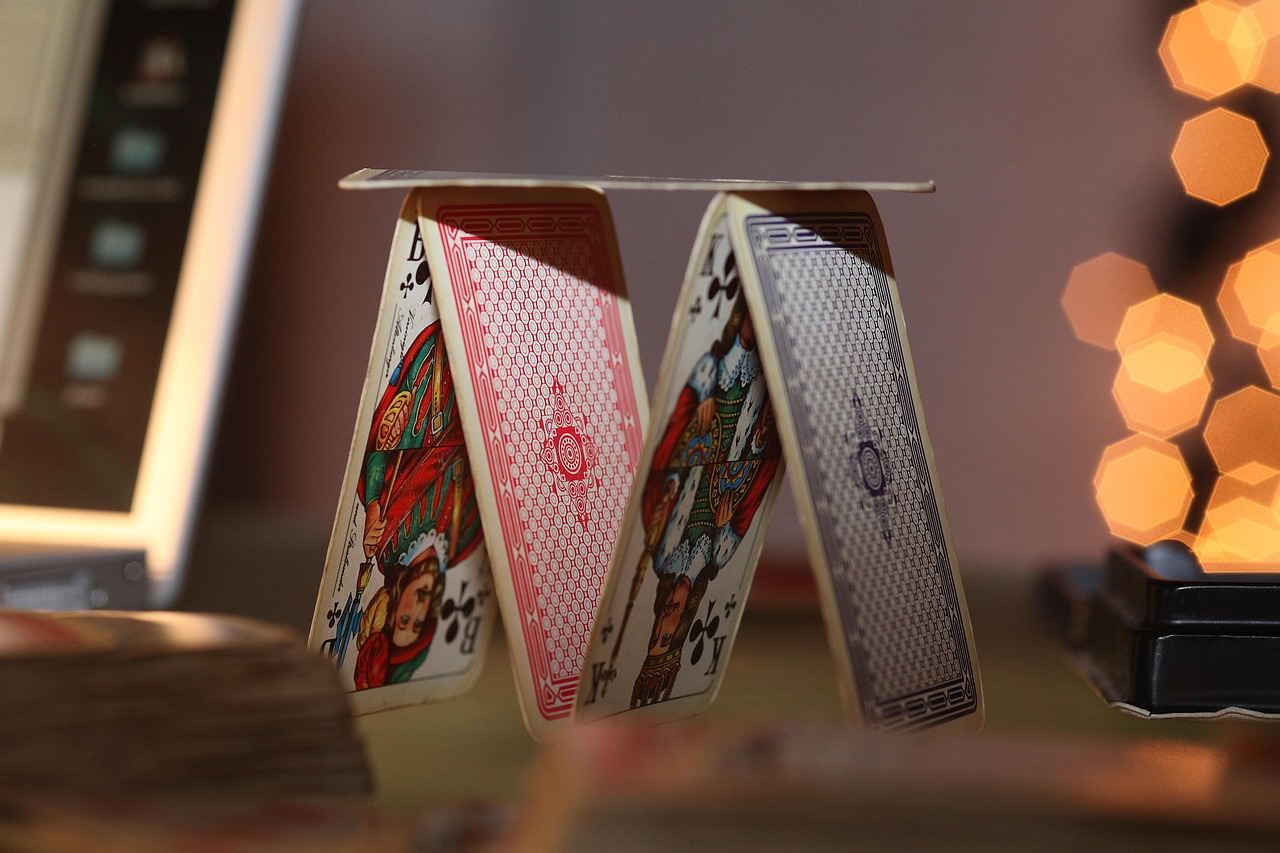
The Slot Machine's Secret Math: What Every Player Should Know
You drop a coin into a slot machine, pull the lever (or tap the screen), and wait. The reels spin, symbols blur, and for a moment, anything feels possible. But behind that flashing lights and cheerful jingles lies a cold, calculated mathematics that determines your fate. I've spent years watching players chase jackpots, and the ones who actually walk away with money aren't luckier—they're smarter. They understand the machine's secret math. Let me pull back the curtain.
The Return to Player (RTP): Your Long-Term Odds
Every slot machine has a number called RTP—Return to Player. It's the percentage of all wagered money that the machine pays back to players over millions of spins. A 96% RTP means for every $100 bet, the machine returns $96 and keeps $4 as profit. Seems simple, right? Here's the catch: that 96% is theoretical and only holds over an enormous number of spins. In a single session, you could lose everything or triple your money. The RTP is a long-term average, not a promise. Land-based casinos often set slots at 85-92% RTP, while online casinos frequently offer 95-97%. That difference is massive. If you play $1,000 through a 90% RTP machine, you'll lose $100 on average; on a 97% machine, you lose only $30. Always check the RTP before you play—it's usually listed in the game's info screen or the casino's help section.
Volatility: The Rollercoaster You're Riding
RTP tells you how much you'll lose over time, but volatility tells you how you'll lose it. Low-volatility slots pay small amounts frequently—think $0.50 here, $2 there. High-volatility slots pay rarely but can hit huge. Consider two machines: one with 96% RTP and low volatility, another with 96% RTP and high volatility. Over 1,000 spins, the low-volatility machine might grind you down slowly, while the high-volatility one could eat your bankroll in 100 spins, then suddenly drop a 500x win. Your choice depends on your goal. Want to play for hours on a small budget? Pick low volatility. Chasing a life-changing jackpot? High volatility is your game—but be ready for long dry spells. A good rule: never play high-volatility slots with money you can't afford to lose completely.
Poker: The Only Game Where Skill Beats the House
Unlike slots, poker isn't you against the casino—it's you against other players. The house takes a rake (a small percentage of each pot), but your edge comes from decision-making. In Texas Hold'em, a skilled player can consistently beat weaker opponents. The key? Position, aggression, and reading ranges, not just your own cards. For example, if you're on the button (last to act), you can play more hands because you have information. In early position, tighten up. New players often play too many hands and chase draws without odds. A flush draw on the flop gives you roughly 35% chance to hit by the river—if the pot odds don't justify the call, fold. Study basic preflop charts, track your hands, and review sessions. Unlike slots, poker rewards study and discipline. The best players aren't lucky; they're patient and mathematical.
Betting Smart: Bankroll Management That Works
Whether you're spinning slots or betting on sports, bankroll management separates winners from broke dreamers. Here's a simple framework: Readers looking for specifics may like tylenhacai.org.mx.
- Set a dedicated bankroll. Never use rent, grocery, or emergency money. If you can't afford to lose it, don't bet it.
- Use unit sizing. A unit is 1-2% of your total bankroll. If you have $500, one unit is $5-$10. Bet one unit per slot spin or sports bet.
- Set loss limits and win limits. Decide in advance: if I lose 20% of my bankroll, I stop. If I win 50%, I cash out half.
- Track everything. Use a spreadsheet or app. You'll quickly see which games or bets actually make you money.
This isn't sexy advice, but it's the reason some players last years while others bust in a week. Casinos love players who chase losses. Don't be that person.
Common Myths That Cost You Money
Let's bust a few persistent myths. First, "the machine is due for a win." Slots use random number generators (RNGs) that produce independent outcomes every spin. A machine that hasn't paid in hours is no more likely to pay now. Second, "hot streaks are real." In independent events, there's no such thing. Third, "you can control the reels by timing your spin." No—RNGs cycle thousands of times per second. Skill stop buttons? Purely for entertainment. Finally, "online slots are rigged." Reputable online casinos use certified RNGs audited by third parties like eCOGRA or GLI. The games are fair, but the math still favors the house. Accept that, and you'll play smarter.
When to Walk Away
Remember, gambling is entertainment, not an investment. If you're playing to make money, the odds are against you—except in skill games like poker, and even there, only the top 10% profit consistently. The best players know when to stop. Set a timer, not just a money limit. If you're angry, tired, or chasing losses, walk away. The casino will always be there tomorrow. And if gambling stops being fun—if you're hiding losses, borrowing money, or feeling anxious—seek help. Resources like the National Council on Problem Gambling (1-800-522-4700) are confidential and free. No jackpot is worth your mental health.
So next time you sit at a slot or open a poker table, remember the secret math. RTP, volatility, bankroll management—these aren't buzzwords. They're your tools. Master them, and you shift from a passenger to a player. The house always has an edge, but you don't have to make it easy for them.


Cosy Interiors
-
Discover how bulbs, dimmers and lampshades can soften a room and make evenings feel calmer without relying on harsh overhead lights.

Home Comforts




-

Long established fact that a reader will be distracted
-

Long established fact that a reader will be distracted
-

Long established fact that a reader will be distracted




Small Spaces
Karla Gleichauf
12 May 2017 at 05:28 pm
On the other hand, we denounce with righteous indignation and dislike men who are so beguiled and demoralized by the charms of pleasure of the moment
M Shyamalan
12 May 2017 at 05:28 pm
On the other hand, we denounce with righteous indignation and dislike men who are so beguiled and demoralized by the charms of pleasure of the moment
Liz Montano
12 May 2017 at 05:28 pm
On the other hand, we denounce with righteous indignation and dislike men who are so beguiled and demoralized by the charms of pleasure of the moment