

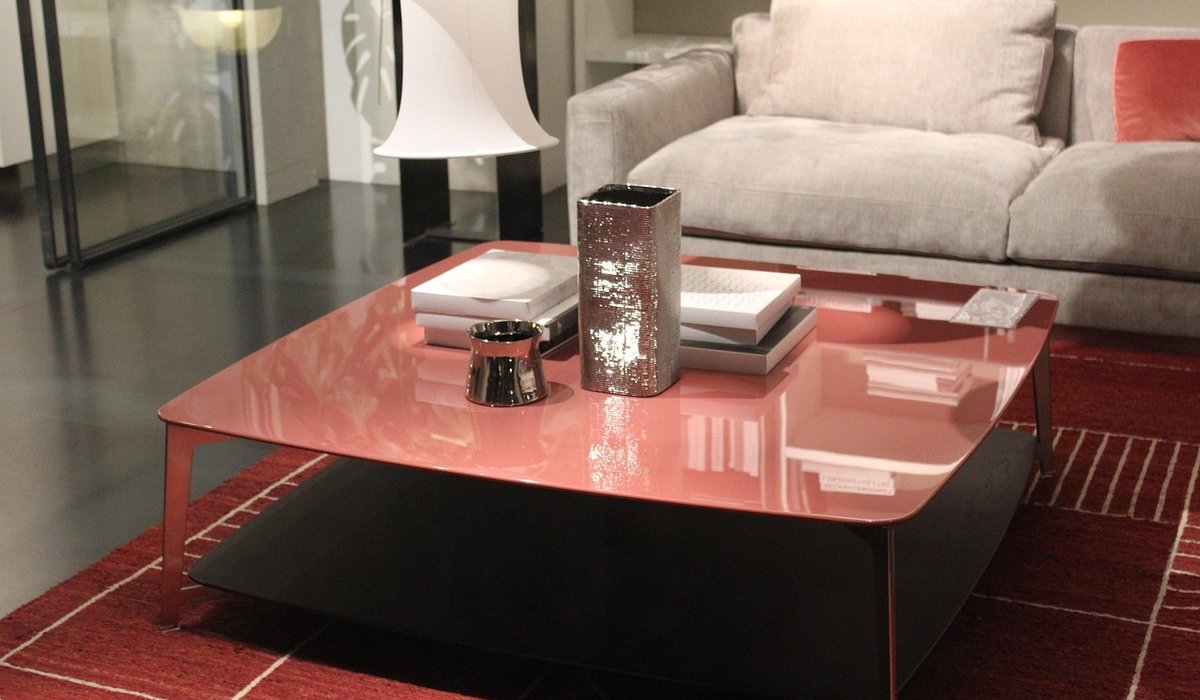
A Gentle Guide to Decluttering Your Living Space
Why a lighter home feels calmer
There is a particular kind of quiet that settles over a room once everything in it has a place. It isn't about stark minimalism, and it certainly isn't about throwing away the things you love. It's about making sure the things around you are ones you genuinely chose, rather than an accumulation of odd cables, old birthday cards and "might come in handy" carrier bags. Clutter asks for your attention constantly — a pile on the stairs, a chair buried under laundry, a drawer that no longer closes. Deal with it gently, in small doses, and the reward is a home that feels noticeably lighter to be in.
Start with one small, contained space
The biggest mistake people make is deciding to "do the whole house" on a Saturday morning. Three hours later, every room is worse than when you started and the whole project feels hopeless. Instead, begin with something small enough to finish: one drawer, one shelf, one corner of a cupboard. Give yourself a firm limit — twenty minutes is plenty — and stop when the timer goes, even if you're on a roll. Finishing is what builds momentum.
Have four containers ready before you begin: one for things that stay, one for charity, one for repairs, and one for the bin. A basket or a sturdy bag will do. Sorting into categories as you go means you never have to handle the same object twice, and you can see progress accumulating in front of you.
Work room by room, in this order
Moving through the house in a logical sequence stops you from drifting from the loft to the kitchen and back again. This route tends to work well:
- Living room first. It's the room you relax in, so clearing it gives you a calm base to return to at the end of each session. Focus on bookshelves, the coffee table, and the tangle of chargers and remotes lurking behind the television.
- Kitchen next. Duplicate utensils, out-of-date spices, plastic tubs without lids, and the mug collection that has quietly trebled. Keep the items you reach for weekly and store the rest elsewhere if you're genuinely fond of them.
- Bedroom afterwards. Wardrobes are the hardest part, so tackle them when you've had some practice. Bed linen and towels are next — keep two spare sets of each and donate the rest to an animal shelter, which will usually be glad of them.
- Bathroom. Half-used bottles, expired medicines and hotel toiletries go quickly. This is often a fifteen-minute job that makes a surprising difference.
- Hallway and under-stairs last. By this point you'll have a well-trained eye, which helps with the miscellaneous boxes that end up here.
The four questions that make decisions easier
When you're holding something and can't decide, run it through these:
- Have I used this in the last twelve months? For clothing, the answer is usually the honest one. If it hasn't been worn for a full year of seasons, it's unlikely to be worn next year either.
- Do I already have more than one? Two tin openers, four pairs of scissors, eleven tote bags. Keep the best, pass on the rest.
- Would I buy this again today? If you wouldn't spend real money on it now, it's taking up space that could belong to something you would.
- Am I keeping this out of guilt? Gifts you never liked, clothes for a size you may return to, hobby equipment from a phase that has passed. Guilt is not a good reason to store something indefinitely.
Sentimental items deserve their own approach rather than a rushed decision. Set aside one clearly labelled memory box per household member, fill it with the things that genuinely move you, and photograph or scan anything that matters but doesn't need physical space. That way you keep the memory without keeping the clutter.
Letting go of what you don't need
Once your charity bag is full, deal with it promptly — the same week, ideally. Bags that sit in the boot of the car for a month tend to find their way back indoors. Local charity shops welcome clean, working, saleable items, and many will collect furniture if you ring ahead. Textile banks take worn clothing and shoes that are past wearing. Books are often welcomed by community book exchanges, care homes and library fundraising stalls.
A few practical points worth remembering: wash or wipe everything before donating, check that electricals work, and never pass on broken or unsafe goods. Refuges and food banks often have wish lists for toiletries and household basics, so it's worth asking before you assume. Anything genuinely beyond use should be recycled properly rather than left on a pavement, and bulky items can usually be taken to your local household waste centre by appointment.
Keeping it feeling light afterwards
Decluttering isn't a one-off purge; it's a habit that keeps a home comfortable. Adopt one in, one out for clothes, books and kitchenware, and you'll never need a dramatic clear-out again. Keep a basket at the bottom of the stairs for things that belong upstairs, and empty it each evening.
A ten-minute reset before bed — cushions back, surfaces clear, dishes away — means you wake to a room that feels calm rather than accusing. Store seasonal clothing out of the way so wardrobes stay breathable, and give yourself one small drawer or cupboard a month to review. Nothing here requires willpower or a spare weekend. It simply asks for a little regularity, and in return it gives you a home that feels softer, roomier and altogether kinder to come back to.


Cosy Interiors
-
Make the most of vertical planters, wind-tolerant herbs and foldaway seating to turn a narrow balcony into a green retreat.

Home Comforts




-

Long established fact that a reader will be distracted
-

Long established fact that a reader will be distracted
-

Long established fact that a reader will be distracted




Small Spaces
Karla Gleichauf
12 May 2017 at 05:28 pm
On the other hand, we denounce with righteous indignation and dislike men who are so beguiled and demoralized by the charms of pleasure of the moment
M Shyamalan
12 May 2017 at 05:28 pm
On the other hand, we denounce with righteous indignation and dislike men who are so beguiled and demoralized by the charms of pleasure of the moment
Liz Montano
12 May 2017 at 05:28 pm
On the other hand, we denounce with righteous indignation and dislike men who are so beguiled and demoralized by the charms of pleasure of the moment