

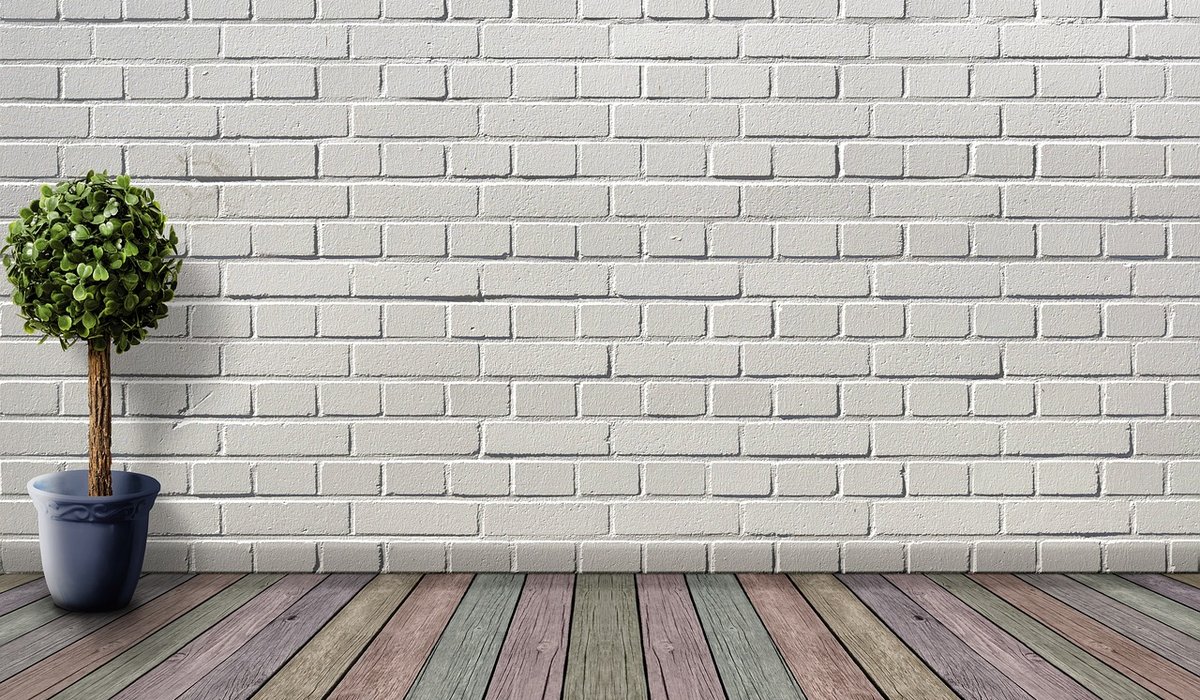
Creating a Calm Corner for Morning Meditation
Why the Right Spot Makes All the Difference
Most of us begin a meditation habit with good intentions and a vague plan to "sit somewhere quiet". Within a fortnight, the habit has quietly dissolved — not because we lack discipline, but because the spot we chose was borrowed from someone else's routine. A kitchen chair that reminds you of unpaid bills, a sofa where you usually watch television, a bedroom corner piled with laundry: none of these signal to your nervous system that it is time to settle.
Creating a dedicated calm corner changes the equation. When the same cushion, the same soft throw and the same small tray of tea greet you each morning, your body begins to recognise the cue before your mind has caught up. The corner does the remembering for you. It is a gentle piece of architecture for your attention, and it need not cost much or take up more than a square metre of floor.
Choosing Your Corner
Before you buy a single cushion, walk around your home at the time of day you intend to practise. A spot that feels serene at four in the afternoon may be glaring at seven in the morning, or sloping into shadow when you need light most. Watch how the sunlight moves.
- North or east facing windows tend to offer soft, even light in the morning — ideal for a wakeful but unhurried start.
- Away from doorways and through-routes, so you are not braced for someone to walk past. Even a household of one benefits from a sense of enclosure.
- Near a wall or piece of furniture you can lean against, which helps you sit upright without straining your back.
- Not directly beside a radiator or under a draughty window. Comfort is not indulgence; it is the foundation of consistency.
If space is genuinely tight, a corner of a bedroom works beautifully. Many people find that the room where they sleep carries the right quietness, provided the corner is clear of clothes and clutter. Resist the temptation to use the end of the bed — you want a space that belongs to nothing else.
The Three Essentials: Cushion, Blanket, Tray
You do not need a shrine. You need three objects that work together, and each one earns its place by making the practice easier to begin.
The cushion. A firm, rectangular meditation cushion — often called a zafu — lifts your hips above your knees, which allows the spine to find its natural curve without effort. If you prefer to kneel, a small stool or a folded blanket beneath the ankles will spare your knees. Sit on it once before committing: the wrong height will make twenty minutes feel like an hour. A cushion that is slightly too firm is far better than one that slowly deflates beneath you.
The blanket. Keep a light wool or cotton throw folded on the cushion or draped over a nearby chair. As the body stills, the temperature drops — a fact that surprises most beginners. A blanket within reach means you can settle it over your knees without breaking your focus or standing up to hunt for one. In winter, choose something with a little weight; in summer, a simple cotton weave is enough.
The tray. A small tray, no bigger than a dinner plate, holds your cup of tea, a small candle if you like one, and perhaps a single stone or sprig of greenery. It gives the corner a visual anchor and keeps small objects from drifting across the floor. Choose wood, slate or ceramic — something that pleases your hand as much as your eye. The tray also marks a beginning and an end: you set it down when you arrive, and you carry it away when you finish.
Tea as a Ritual, Not a Distraction
A cup of tea before sitting is one of the kindest ways to ease into practice. Make it deliberately, with attention, and let the making be part of the meditation rather than a prelude you rush through. Warm the cup, watch the steam, feel the weight of the pot. By the time you sit down, your breathing will already have slowed.
Choose something gentle — a light green tea, a smooth oolong, or a caffeine-free blend of peppermint or rooibos if you are sensitive. Keep the cup small, so you are not distracted by a full bladder halfway through. Place it on the tray within arm's reach, and let the last mouthful be the signal to close your eyes.
Light, Scent and Sound
The senses settle faster than the mind, so use them. A small lamp with a warm bulb is far kinder at dawn than an overhead light, and a candle — always attended, never left burning — gives the eye somewhere soft to rest. A single plant, a simple print or a bowl of dried flowers will do more for the atmosphere than a shelf of ornaments.
Scent is powerful but easily overdone. One drop of lavender or cedarwood on a cotton pad, tucked discreetly nearby, is plenty. If you use sound, choose something without melody: a gentle timer, a bowl, or simply the ambient noise of an early street. Silence is not required, and chasing it can become its own form of tension.
Keeping the Corner Alive
A calm corner works best when it is kept spare. Everything in it should be there for the practice and nothing else, which means resisting the urge to store books, paperwork or a spare phone charger on the tray. Once a week, give it a moment's attention: plump the cushion, shake the blanket, wipe the tray, replace the candle. That small act of care is itself a practice, and it keeps the space ready for the mornings when motivation is thin.
Finally, be realistic about duration. Five consistent minutes will transform your days more than a sporadic half hour, and the corner will teach you this better than any instruction. Let it be a place you look forward to — warm, uncluttered and entirely yours — and the habit will quietly take root.


Cosy Interiors
-
Sort belongings room by room, ask what you truly use and donate unwanted items to create a lighter, more peaceful home.

Home Comforts




-

Long established fact that a reader will be distracted
-

Long established fact that a reader will be distracted
-

Long established fact that a reader will be distracted



Small Spaces
Karla Gleichauf
12 May 2017 at 05:28 pm
On the other hand, we denounce with righteous indignation and dislike men who are so beguiled and demoralized by the charms of pleasure of the moment
M Shyamalan
12 May 2017 at 05:28 pm
On the other hand, we denounce with righteous indignation and dislike men who are so beguiled and demoralized by the charms of pleasure of the moment
Liz Montano
12 May 2017 at 05:28 pm
On the other hand, we denounce with righteous indignation and dislike men who are so beguiled and demoralized by the charms of pleasure of the moment