

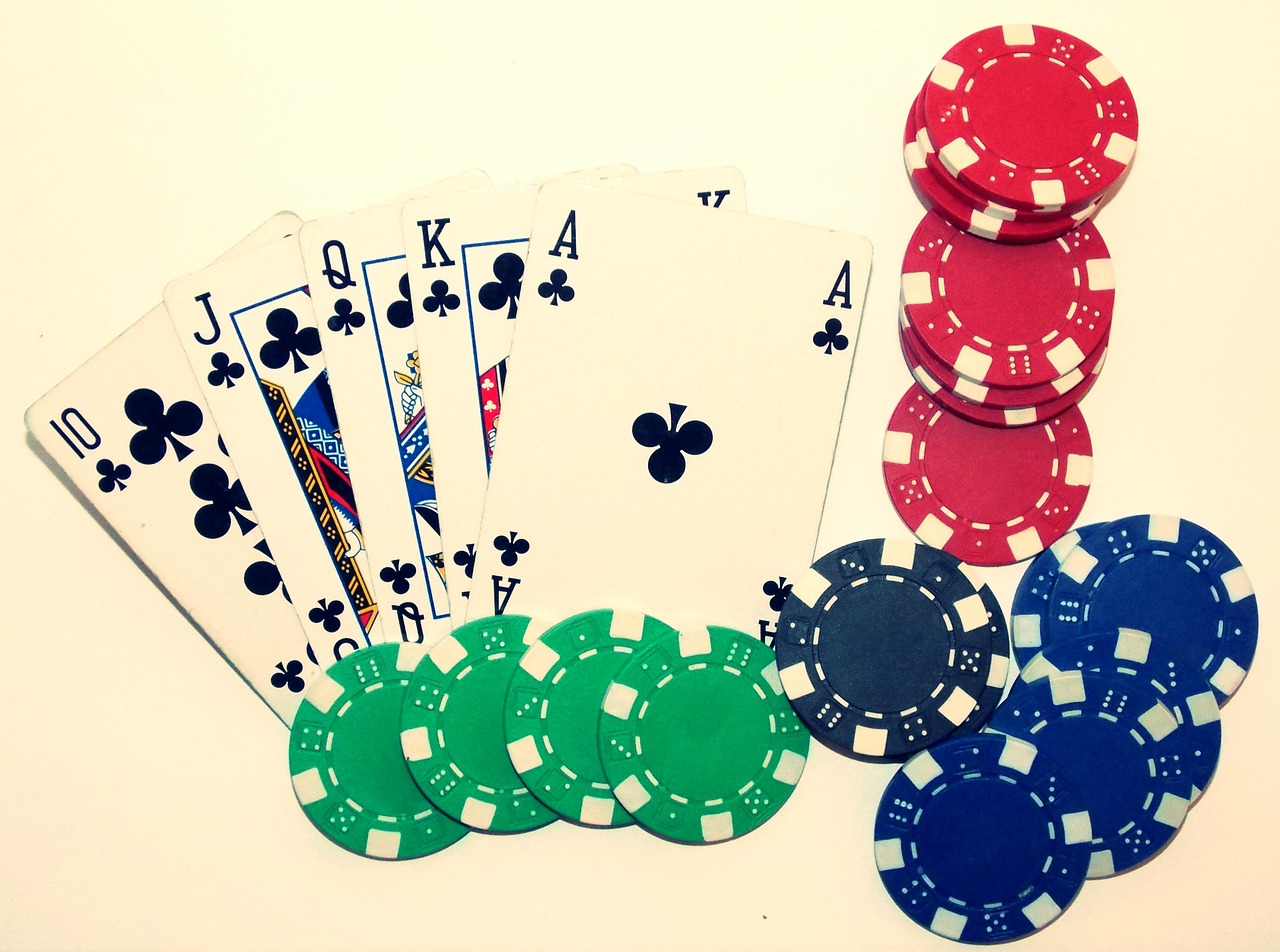
Slot Volatility Explained: Why Your Bankroll Hates High Variance
You've probably seen the term before, tucked away in a slot's info panel like fine print on a contract. Low volatility. Medium. High. Most players click past it and spin anyway, then wonder why their €50 vanished in four minutes on one game while it lasted an entire evening on another. That's not bad luck. That's volatility doing exactly what it's designed to do. Understanding it is arguably the single most useful piece of knowledge a slots player can carry into a session, and yet it's the one most people ignore.
What Volatility Actually Measures
Volatility, sometimes called variance, describes how a slot distributes its payouts over time. It has nothing to do with the house edge, which is a separate figure (usually somewhere between 2% and 8% on modern slots in terms of long-term return). Two games can have identical RTPs of 96% and behave completely differently in practice.
A low-volatility slot pays small amounts frequently. You'll see lots of €0.20 and €0.60 wins, your balance drifts down slowly, and big multipliers are rare. A high-volatility slot does the opposite: long dead spins, then a sudden 400x explosion that recovers everything and then some. The math works out the same over millions of spins. The experience does not.
- Low volatility: frequent small wins, gentle bankroll curve, best for long sessions on a modest budget
- Medium volatility: a balance of the two, usually the default for mainstream releases
- High volatility: rare but massive payouts, brutal dry spells, requires deep pockets and patience
- Extreme volatility: games like Money Train or San Quentin where max wins reach 100,000x and 150,000x respectively
Reading the Numbers Before You Spin
Every regulated slot publishes three things worth checking before you commit real money: RTP, max win, and volatility rating. Providers like Nolimit City and Hacksaw Gaming build their reputation on extreme variance, while others such as Pragmatic Play's Gates of Olympus (96.5% RTP, 5,000x max win) sit closer to high-medium. A max win figure is a decent proxy for volatility. If a game caps out at 500x, it's almost certainly low variance. If it advertises 50,000x, prepare for pain between the highlights.
Here's a practical rule I use: divide your session bankroll by 200. That number should be your spin size on a high-volatility game. On a €200 bankroll, that's €1 spins. On a low-volatility game you can push it to 100 spins of stake instead. This isn't about being cautious for its own sake. High-variance games need enough spins to reach the good part of the distribution, and if you bust at spin 80, you never get there.
The Same Logic Applies at the Poker Table and Sportsbook
Variance isn't just a slots concept. It's the connective tissue running through every form of gambling you'll touch.
In poker, a winning player can lose for 50,000 hands and still be profitable long-term. Cash game grinders talk about downswings of 30 buy-ins as routine, not catastrophic. Tournament players face even worse: a 20% ROI player might go 40 tournaments without a single final table. The players who survive aren't the ones with the best cards. They're the ones who sized their bets so variance couldn't knock them out of the game before their edge had time to show. For more on this, see TX88.
Sports betting works the same way. If you're consistently backing -110 lines, you need a strike rate above 52.4% to break even. A 10-bet losing streak at that clip is unremarkable. It'll happen to almost everyone at some point, and it says nothing about your skill. Bankroll management, not prediction accuracy, is what separates bettors who last from bettors who reload every fortnight.
Common Mistakes That Cost Real Money
The most expensive error is chasing. You've had 300 dead spins on a high-volatility game, you're convinced the bonus is "due," so you triple your stake. This is the gambler's fallacy wearing a suit. Each spin is independent. The machine doesn't know you've been losing.
Second mistake: playing a game whose volatility doesn't match your personality. If losing ten spins in a row makes you tilt, high volatility will destroy you mentally even if the math is fair. There's no shame in sticking to low-variance games. The RTP is often the same or better.
Third mistake: ignoring session length. A €50 bankroll on a low-volatility slot at €0.20 spins buys roughly 250 spins, which is a solid hour. The same €50 on a 100,000x max win game at €1 spins buys you 50 spins and, statistically, a very quick exit. Readers looking for specifics may like TX 88.
A Quick Bankroll Cheat Sheet
- Check max win and volatility rating before you spin a single cent
- Set your stake at 1/200th of your bankroll for high variance, 1/100th for low
- Decide a stop-loss before you start, not during a losing streak
- Never increase stake to chase a bonus you think is "overdue"
- Match the game to your mood and budget, not to the biggest advertised jackpot
Where Volatility Fits Into the Bigger Picture
None of this changes the house edge. Volatility is a distribution question, not an expected value question. Over a million spins, a 96% RTP game returns 96%, and no amount of strategic stake sizing alters that. What stake sizing and game selection actually do is determine whether you personally get to play long enough to experience something close to that average, or whether you're the unlucky tail of the distribution who busts early and remembers the whole hobby as a scam.
Think of it this way: the casino is running a marathon and you're running a sprint. Volatility decides how fast the ground moves under your feet. Pick the sprint you can actually finish, and the whole experience stops feeling rigged even when the numbers are exactly what they always were.


Cosy Interiors
-
Discover how bulbs, dimmers and lampshades can soften a room and make evenings feel calmer without relying on harsh overhead lights.


Home Comforts




-

Long established fact that a reader will be distracted
-

Long established fact that a reader will be distracted
-

Long established fact that a reader will be distracted




Small Spaces
Karla Gleichauf
12 May 2017 at 05:28 pm
On the other hand, we denounce with righteous indignation and dislike men who are so beguiled and demoralized by the charms of pleasure of the moment
M Shyamalan
12 May 2017 at 05:28 pm
On the other hand, we denounce with righteous indignation and dislike men who are so beguiled and demoralized by the charms of pleasure of the moment
Liz Montano
12 May 2017 at 05:28 pm
On the other hand, we denounce with righteous indignation and dislike men who are so beguiled and demoralized by the charms of pleasure of the moment